Every nikāḥ begins with a gift. Not flowers. Not a ring. Not a gesture. A right — enshrined in the Qur’ān, confirmed by the Sunnah, and obligatory upon every Muslim man who wishes to marry. That gift is the Mahr.
The Definition of Mahr
Mahr (also written as Mehr, Meher, or Maher) is the mandatory gift that a Muslim groom must give to his bride at the time of marriage. It is not optional. It is not symbolic. It is a religious obligation — her exclusive right — and it belongs to her alone from the moment it is given.
Allāh ﷻ commands in the Qur’ān:
“And give the women their bridal gifts graciously.”
— Sūrah al-Nisā’ (4:4)
The word used — ṣaduqāt — carries the meaning of something truthful, sincere, and wholehearted. It is not a transaction. It is an acknowledgement of her worth, her dignity, and her right to financial independence within the marriage.
Is Mahr the Same as a Dowry?
No — and this distinction matters enormously.
A dowry is what the bride’s family gives to the groom or his family. In many cultures, this creates an oppressive burden on the bride’s family and commodifies the woman herself.
Mahr is the opposite. It flows from the groom to the bride. It is hers unconditionally. Her parents have no claim over it. Her husband cannot take it back. Even in the event of his death, the deferred Mahr is paid from his estate before all other debts — because it is a religious obligation, not merely a social custom.
What Can Mahr Be?
The Mahr can take many forms. It must be something of genuine value, agreed upon by both parties, and specified clearly in the nikāḥ contract.
The Prophet ﷺ approved a wide range of Mahr in his time — from an iron ring, to a date-stone’s weight of gold, to the teaching of Qur’ānic verses. Today, the most common forms are:
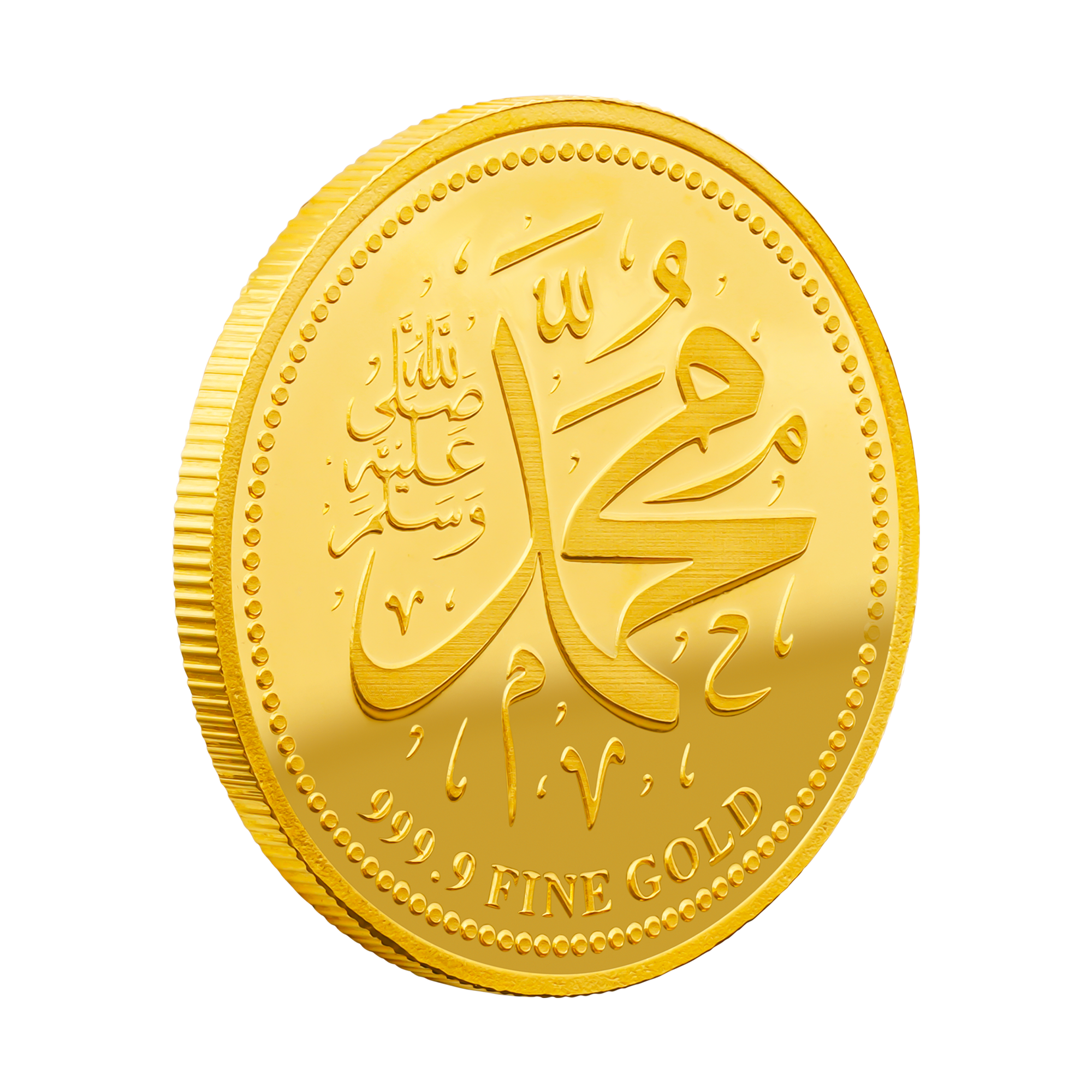
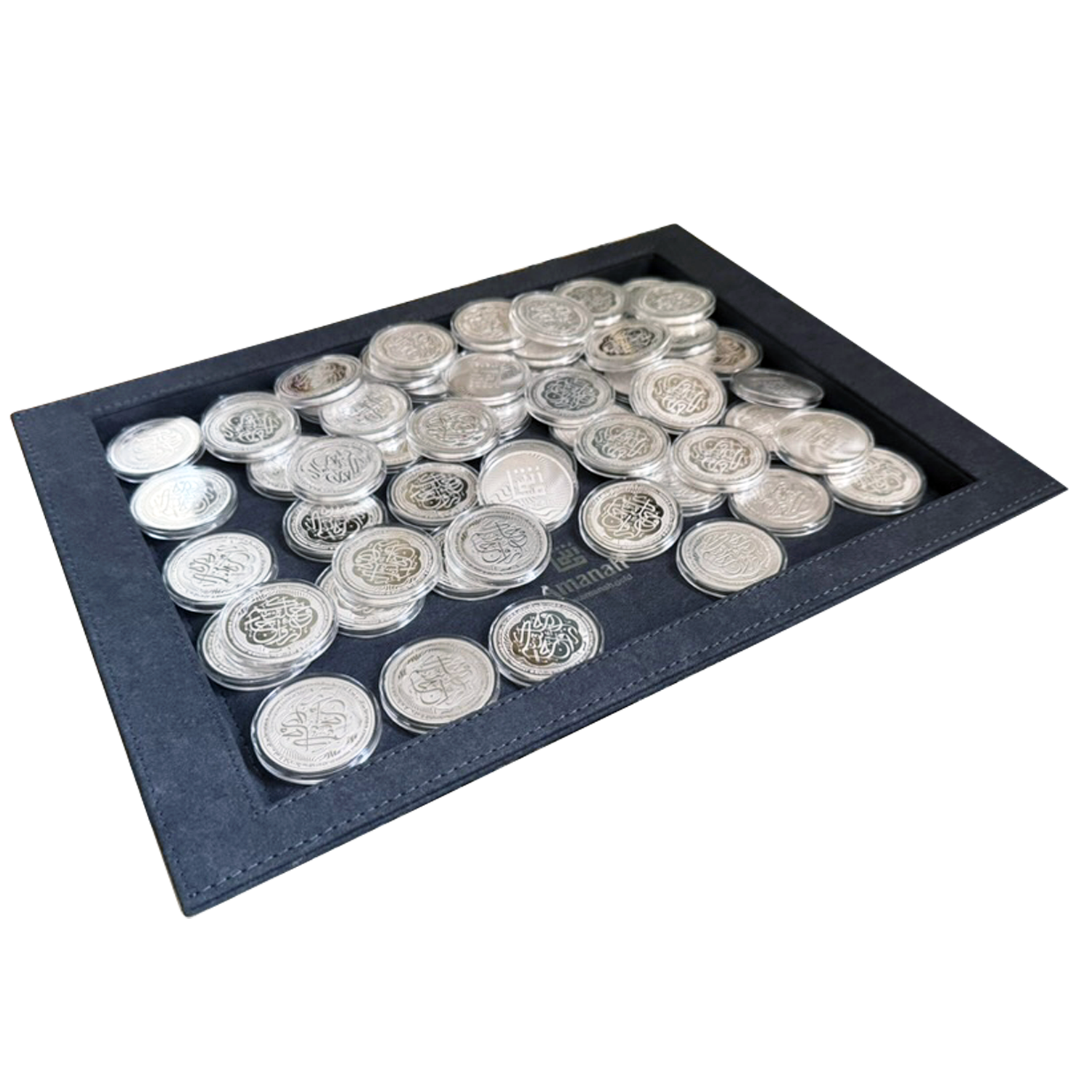
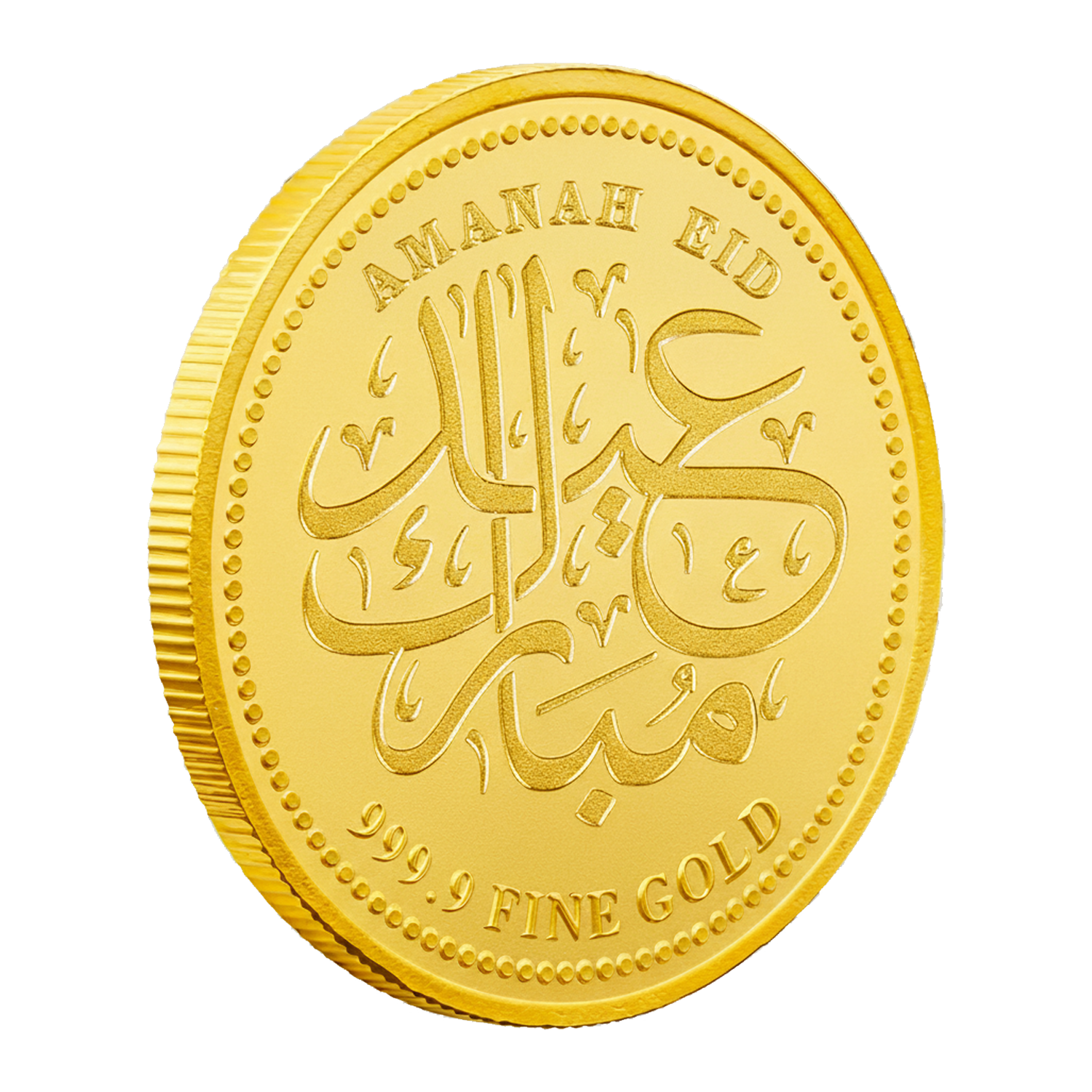
- Gold and silver — the most historically authentic and Sunnah-aligned choice, holding intrinsic value used as Mahr since the time of the Prophet ﷺ.
- Cash — widely accepted across all madhāhib. In the Ḥanafī school, the minimum is equivalent to 10 dirhams (approximately 29.75g of silver).
- Property — land, a home, or other real assets.
- Services — such as teaching the bride Qur’ān, though less common today.
- Jewellery — acceptable when it has a clear and agreed monetary value.
The Two Types of Mahr
Mahr Mu’ajjal — The Prompt Mahr
This is the portion given immediately at the time of the nikāḥ ceremony. It must be paid at or before the consummation of the marriage. Many scholars consider this the more important portion, as it establishes the bride’s financial security from the very beginning.
Mahr Mu’akhkhar — The Deferred Mahr
This is the portion agreed upon but paid at a later date — either at a mutually agreed time, upon divorce, or in the event of the husband’s death. The deferred Mahr is a debt upon the husband. It does not expire. It cannot be waived without the wife’s full and free consent.
Who Owns the Mahr?
The bride — and only the bride.
The Mahr is not a family gift. It is not shared marital property. It is not to be spent on the wedding venue, the walīmah, or the honeymoon. It is hers, absolutely and exclusively, to spend as she wishes — save, invest, give to charity, or keep as security.
The husband has no right to it. Her father has no right to it. Her mother-in-law has no right to it. If anyone pressures the bride to give up her Mahr without her free and willing consent, this is a serious wrong in the sight of Allāh ﷻ.
Is There a Minimum Mahr?
The Ḥanbalī, Shāfi’ī, and Mālikī schools hold that there is no fixed minimum — any amount with monetary value is permissible. The Ḥanafī school specifies a minimum of 10 dirhams — equivalent to approximately 29.75 grams of silver. There is no maximum.
The Sunnah Standard — Mahr Fatimi
The most discussed Mahr benchmark in Islamic scholarship is Mahr Fatimi — named after Sayyidatunā Fāṭimah رضي الله عنها, the beloved daughter of the Prophet ﷺ.
When Sayyidunā ‘Alī رضي الله عنه sought her hand in marriage, the Mahr of Fāṭimah رضي الله عنها is reported in a range of amounts — no single sahih narration fixes it (reckonings run 1,224–1,750 g). The cautious position adopts 400 mithqāl ≈ 1,750 grams of silver. The undisputed Sunnah standard is Mahr al-Azwāj: the 500 dirhams (1,530.9 g) the Prophet ﷺ gave his own wives (Sahih Muslim 1426).
Available from Amanah Gold
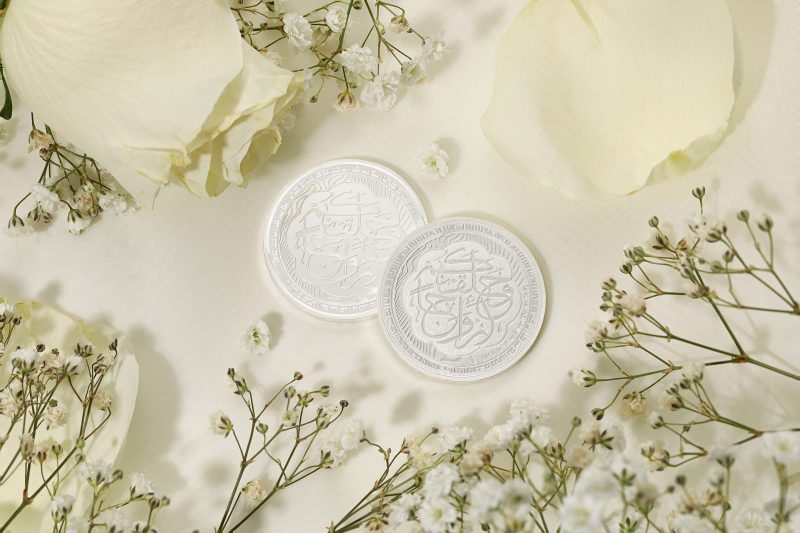
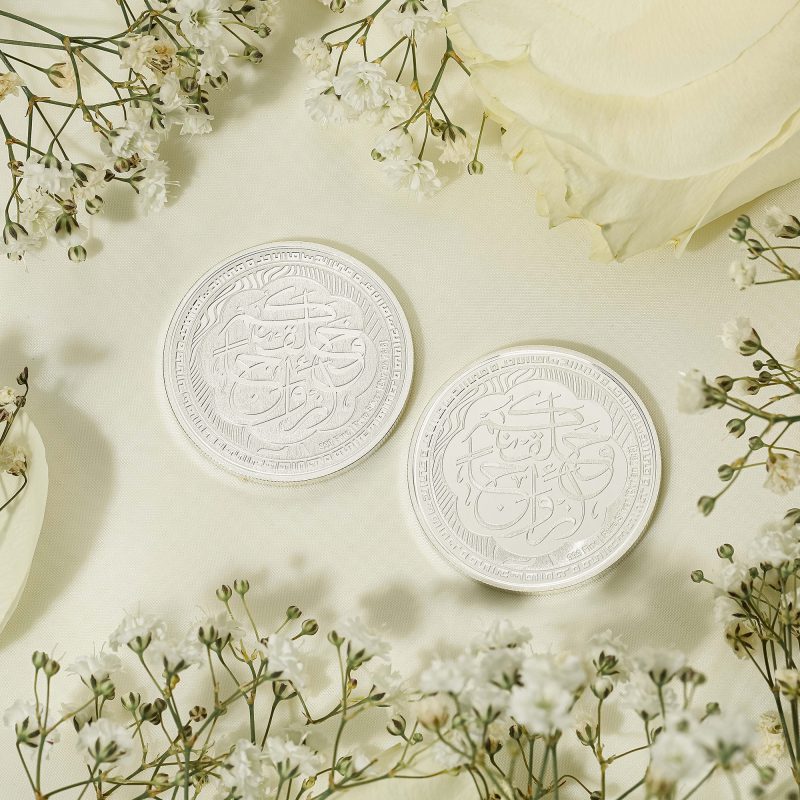
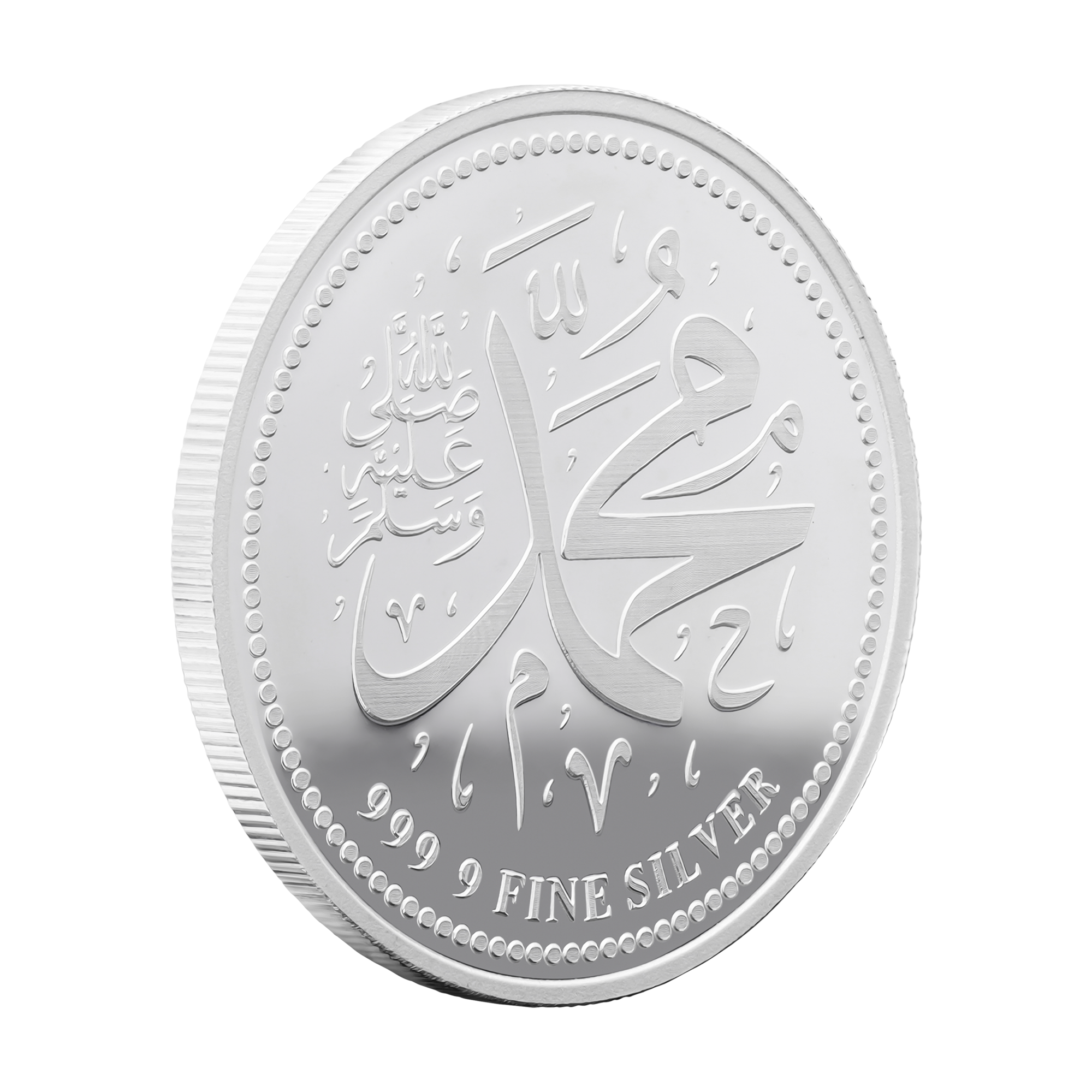
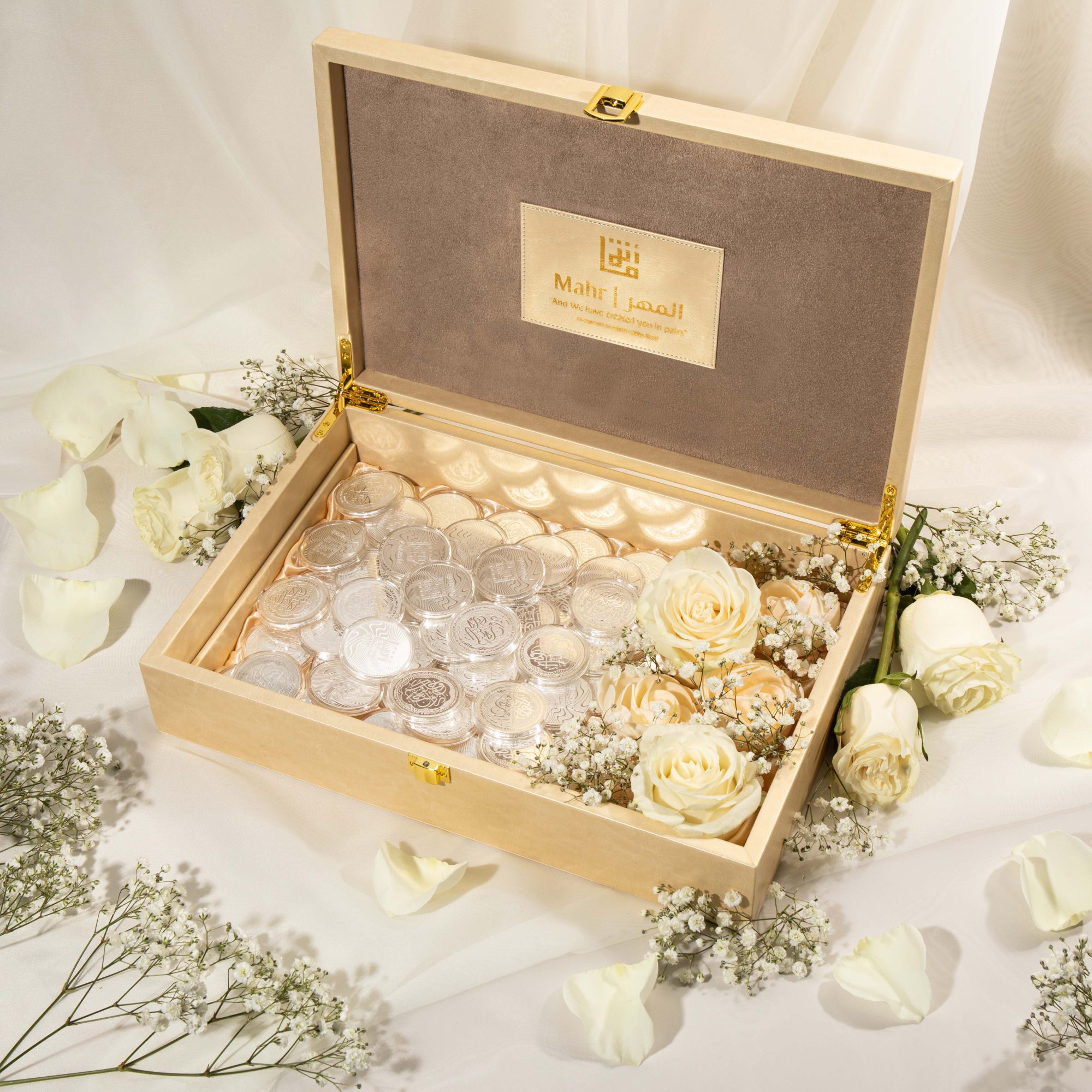
Amanah Gold | The Islamic Mint® offers Mahr Fatimi in pure silver — Shariah-certified, precisely weighted, beautifully presented, and delivered worldwide.
View Mahr Fatimi →Mahr and the Nikāḥ Contract
The Mahr must be stated in the nikāḥ contract. If an amount is not specified at the time of the nikāḥ, a customary Mahr based on the bride’s family background will be assigned later. It is always better to specify the Mahr clearly upfront — this protects both parties and fulfils the spirit of the Qur’ānic command.
Common Mistakes Around Mahr
- Treating it as a formality. Some families agree on a token Mahr — one pound, one dirham — simply to fulfil the legal minimum. While technically valid in some schools, this misses the spirit and purpose of the Mahr entirely.
- Pressuring the bride to waive it. A bride may voluntarily gift all or part of her Mahr back to her husband — Allāh ﷻ permits this (4:4). But she must never be pressured or guilted into doing so.
- Confusing Mahr with wedding gifts. Gifts given by either family are hadiyyah — entirely separate from the Mahr obligation.
- Promising and not delivering. A deferred Mahr that is never paid is a debt that will be answered for on the Day of Judgement.
Why Gold and Silver for Mahr?
Throughout Islamic history, gold and silver have been the primary medium of Mahr. Unlike paper currency, which can be devalued or inflated, gold and silver hold intrinsic, enduring value. A Mahr given in silver today will hold its worth in ten years and twenty years. The Prophet ﷺ himself linked gold and silver to the Islamic monetary system — the dirham was silver, the dinar was gold, and the Mahr of his wives was denominated in dirhams of silver.
Fulfil Her Mahr With Something Worthy
Your nikāḥ is one of the most sacred moments of your life. The Mahr you give sets the tone — a statement of your commitment, your honour, and your recognition of her rights. Make it something she will treasure. Make it something that lasts.
Pure silver Mahr. Shariah-certified. Delivered worldwide.
Mahr Fatimi · Mahr Azwaj · The Islamic Mint® UAE
Explore Mahr ProductsAmanah Gold | The Islamic Mint® is a UAE-based precious metals brand dedicated to Shariah-compliant gold and silver. All products are certified by the Islamic Monetary Council.
All Amanah mahr figures follow the IDCC methodology (dirham = 3.0618 g) — evidence and method here.